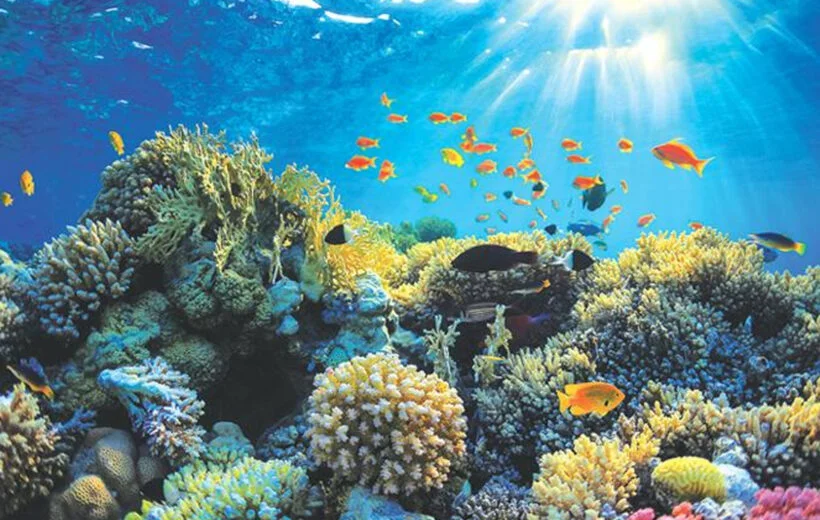
Hikkaduwa Coral Sanctuary
5 min walk
This protected marine area sits directly offshore and provides a different perspective on local reef life after your turtle encounter.

Hikkaduwa Beach has become the island's most reliable place to share shallow water with wild green turtles, often within thirty metres of dry sand. This turtle snorkeling sri lanka guide sets out what the shoreline is really like, who manages access, and how the sea behaves hour by hour. No tiers, no packages — just the practical shape of a morning in the water.
Quick answer
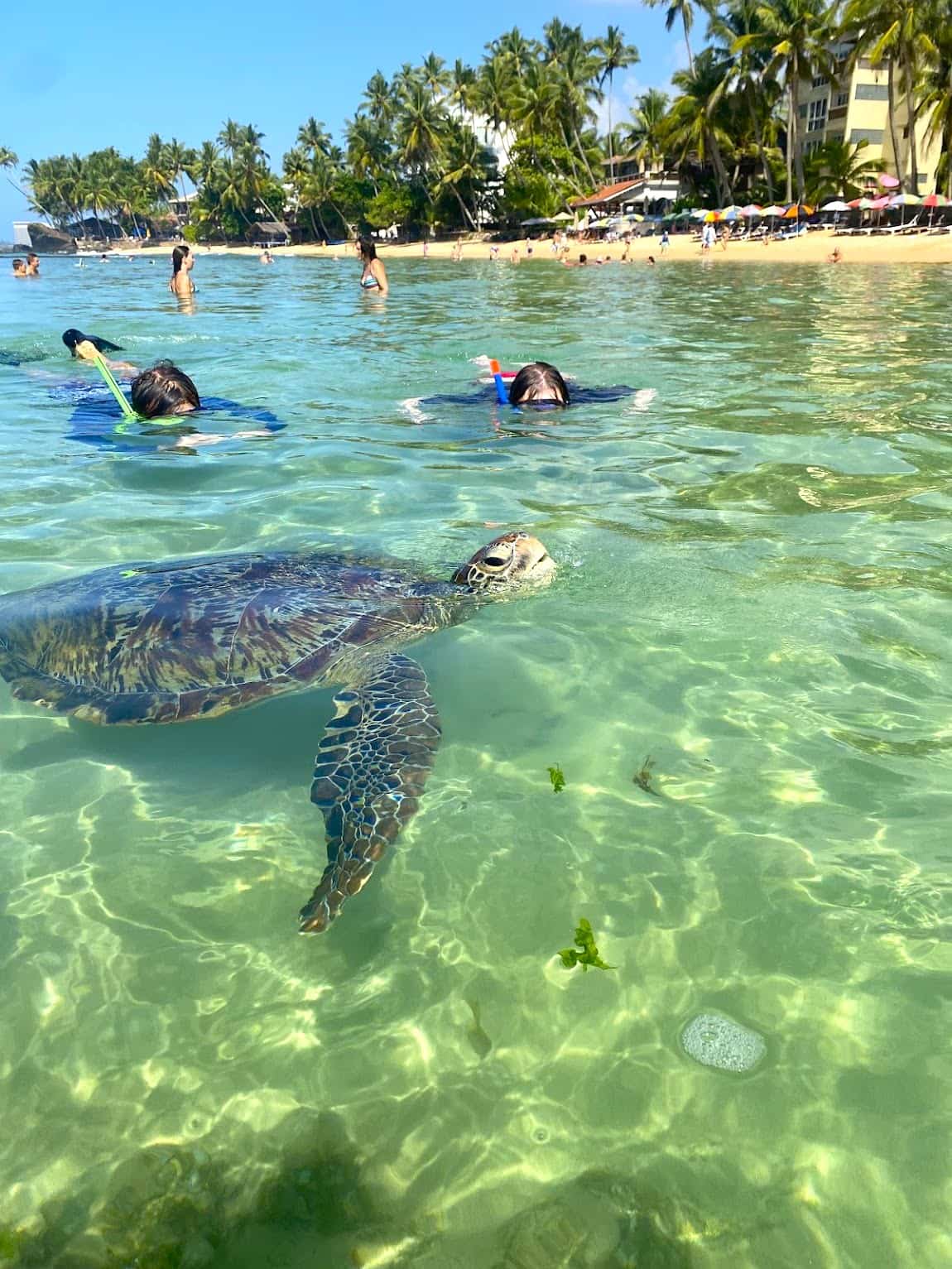
Entry is free: Hikkaduwa Beach is public access at 0 LKR, open 00:00–23:59 daily, with equipment rental the only unavoidable cost. The reliable window is 06:30–10:00, when seas are calmest, clarity peaks and crowds thin. Turtles feed on seagrass near shore year-round, though the southwest monsoon can churn visibility between May and September.
The green turtles at Hikkaduwa are not released hatchlings or hotel attractions. They are resident adults, some with shells over a metre across, that return daily to graze seagrass and algae in waist-deep water a short wade from the sand. Fishermen noticed the pattern decades ago; the turtles kept coming back. Today turtle snorkeling sri lanka draws most of its reputation from this single stretch of Galle District coastline, where the animals arrive on their own schedule rather than anyone else's. The geography explains the access. A fringing coral reef sits offshore from Hikkaduwa Beach, breaking the Indian Ocean swell and leaving a protected lagoon behind it. That lagoon is shallow, sandy-bottomed and patched with seagrass — turtle food. Because the reef absorbs the energy, the water inside stays flat enough for weak swimmers, which is why Hikkaduwa snorkeling suits families and first-timers in a way that boat-based reef trips do not. The Hikkaduwa National Park marine reserve covers the reef itself, so coral, fish and turtles all carry legal protection. Rangers and beach lifeguards are a visible presence most mornings. Season shapes the experience more than anything else. The southwest monsoon pushes sediment and surf across this coast through the middle of the year, and visibility drops accordingly. The dry months either side deliver the glassy conditions that photographs are made of. Within any given day, the sea follows a reliable rhythm: calm at first light, building wind chop by late morning, busiest in the afternoon. Readers planning a Hikkaduwa turtle tour should treat early arrival as the single most useful decision available to them. Two practical realities are worth knowing in advance. First, mask, snorkel and fin rental is handled by small independent operators along the beach road, and quality varies — inspecting a mask seal before paying saves a ruined hour. Second, these are wild animals in a working marine reserve. Touching, feeding, riding or cornering a turtle is prohibited and, in the case of feeding, actively harmful to their grazing behaviour. Keep a body-length of distance and they will often swim past within arm's reach anyway. Guided groups from Galle, Unawatuna and Mirissa all funnel to this beach, so the water can hold dozens of people at once by midday. Anyone researching turtle snorkeling sri lanka for a quiet encounter should plan around that crowd curve rather than against it.
“The turtles arrive on their own schedule, and the reef decides how clearly you will see them.”
The best arrival window for turtle snorkeling is 06:30–10:00, when morning conditions provide the calmest seas and highest water clarity. Planning your visit during this period ensures optimal visibility for observing turtles with fewer crowds.
Dry, 27°C to 30°C. Frequent calm mornings provide excellent snorkeling conditions.
Transition months, 28°C to 31°C. These months often feature favorable sea states before seasonal monsoon shifts.
Rainy, 26°C to 29°C. Rougher seas frequently reduce visibility, making turtle sightings more difficult during these months.
—. Fewer visitors result in less underwater activity, allowing for calmer interactions with marine life.
Verdict: For the best snorkeling experience, aim for weekday mornings between 06:30 and 10:00 during the months of December to March or in the transitional months of April and October.
Hikkaduwa Beach is a public coastal area, making turtle snorkeling accessible at all times. While the beach is open twenty-four hours, visibility and safety are dependent on daylight conditions.
Access to Hikkaduwa Beach for turtle snorkeling is entirely free, as the beach is a public space. Any costs associated with the experience are limited to optional equipment rentals.
Verdict: A typical visitor pays 0 LKR for entry, with total costs depending solely on whether they choose to rent snorkeling gear.
Turtle snorkeling at Hikkaduwa Beach follows a simple process from arrival to water entry. The entire sequence takes 30–45 minutes, depending on gear rental lines and how quickly you spot turtles.
Park along Galle Road or use tuk-tuk drop-off points near the beach entrance. The public access point has no gate or ticket booth—walk directly onto the sand.
Shops line the beachfront offering mask, snorkel, and fins for 500–1,000 LKR per set. Test the mask seal on land; a poor fit floods constantly in the water.
Enter near the northern reef section where water depth increases gradually. Avoid stepping on coral—use sandy channels and keep fins clear of the bottom.
Green turtles feed on seagrass beds in 2–4 meter depths. Move slowly and scan the sandy patches between coral formations where turtles rest.
Maintain 2–3 meters distance and let them surface naturally to breathe. Chasing or blocking their path to air is illegal under Sri Lankan wildlife law.
Beachside showers (some free, some 50–100 LKR) remove saltwater. Return rented equipment to the same vendor to reclaim any deposit.
Sea turtles are protected species in Sri Lanka. Respectful snorkeling practices ensure their safety and preserve natural feeding and resting behavior in Hikkaduwa's coastal waters.
Hikkaduwa offers several points of interest that balance the active nature of turtle snorkeling with cultural and natural exploration. These locations are easily accessible from the main beach area, allowing for a diverse itinerary.
5 min walk
This protected marine area sits directly offshore and provides a different perspective on local reef life after your turtle encounter.
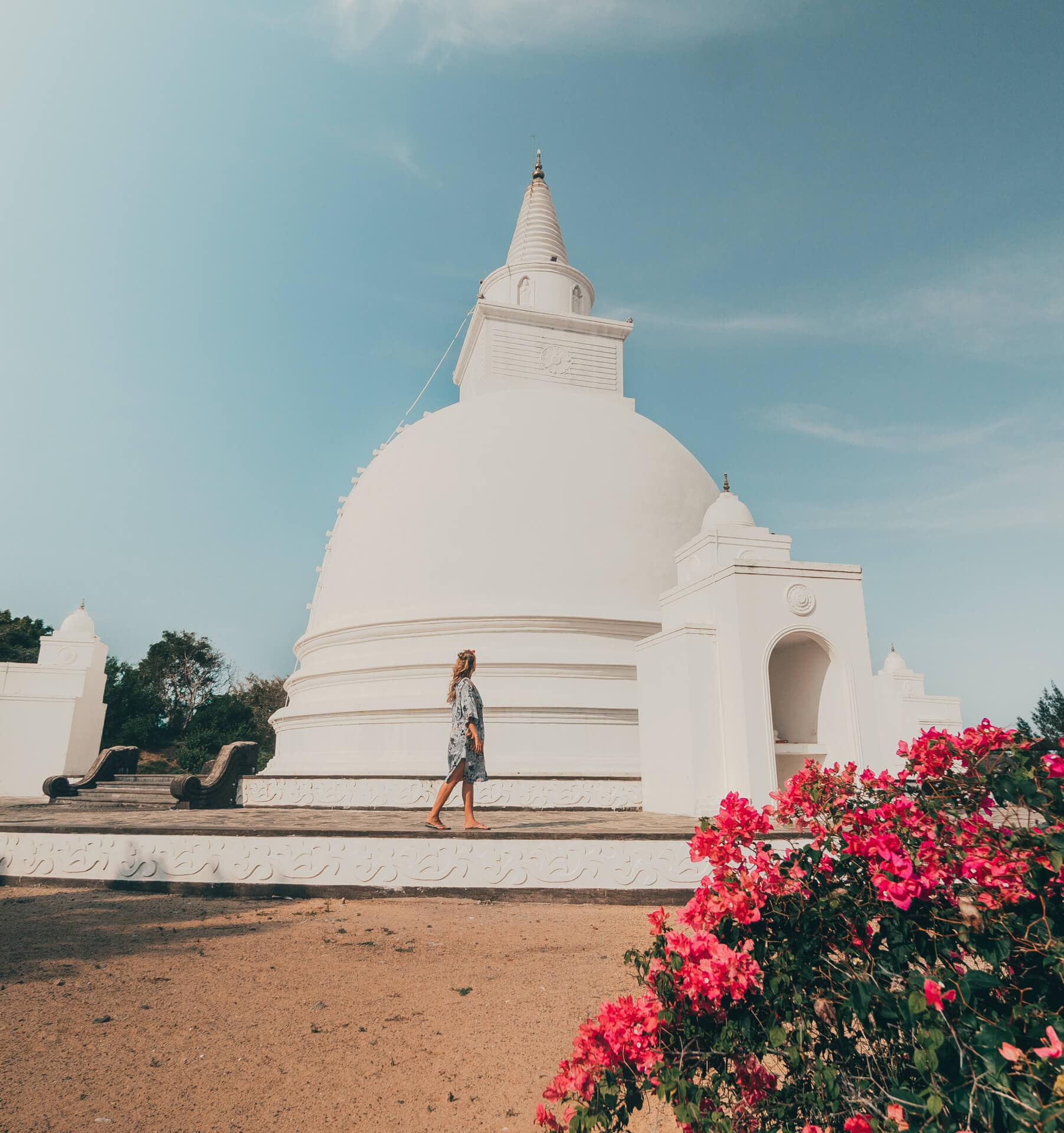
10 min drive
This island temple is located a short distance offshore and offers a quiet cultural contrast to the busy beach environment.
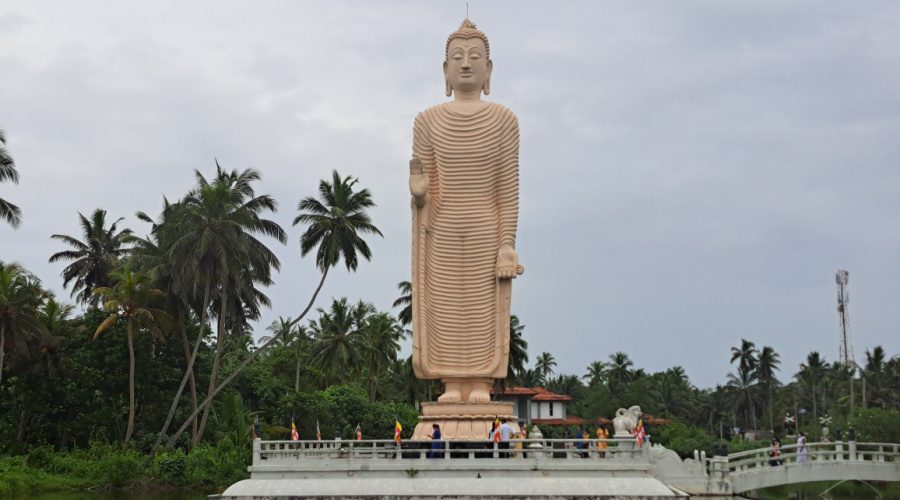
12 min drive
This monument provides a somber, reflective space that helps visitors understand the history of the region following the 2004 Indian Ocean tsunami.
Everything you need to know about turtle snorkeling sri lanka
Yes, shallow waters at Hikkaduwa Beach make this an accessible activity for many visitors. You can engage in this marine activity with basic swimming skills and proper guidance.
The ideal arrival window is between 06:30 and 10:00. Arriving during these hours ensures the calmest seas, optimal water clarity, and fewer crowds for your turtle snorkeling Sri Lanka experience.
Entry to the beach is 0 LKR as it is a public area. While you do not pay an entrance fee, please budget for any necessary equipment rental costs.
Beyond the primary turtle attraction, you may spot various tropical fish and vibrant coral formations. Exploring these reefs provides a well-rounded glimpse into the local marine biodiversity.
Be sure to bring biodegradable sunscreen, a rash guard for skin protection, and a waterproof camera if you wish to document the underwater sights. These items will help you stay comfortable throughout your time in the water.
Responsible observation is essential when you encounter turtles in their natural habitat. Avoid touching or feeding the animals to ensure their protection and to respect the local marine ecosystem regulations.
Snorkeling the South Coast
Read more Tickets & toursPigeon Island Snorkeling
Read more GuideShore Snorkeling in Sri Lanka
Read more Tickets & toursMirissa Snorkeling Experiences
Read more Tickets & toursTrincomalee Snorkeling Tours
Read more GuideHikkaduwa Snorkeling Guide
Read more GuideSri Lanka Snorkeling Map
Read more