
3 hr
Pigeon Island Snorkeling Experience
Discover Trincomalee's premier marine sanctuary with guided snorkeling among reef sharks and sea turtles
Reserve
Hand-picked by our editors — only the best 5 experiences from 12 reviewed.
Verified partners for every tour, free cancellation where available, and instant confirmation on every booking.
3 hr
Discover Trincomalee's premier marine sanctuary with guided snorkeling among reef sharks and sea turtles
Reserve
5 hr
Five-hour ocean adventure combining marine wildlife spotting with coral reef snorkeling and sea turtle encounters
Reserve
3 hr
Boat out to Navy Island for calm-water snorkeling among coral and tropical fish, guide included.
ReservePrices from verified partners. Availability updates in real time at checkout. Free cancellation policies apply where shown.
The landmarks, rooms, and views travelers on this tour remember — all visible on a single visit.
This coral system hosts hundreds of species of reef fish. It remains the centerpiece of any snorkeling sri lanka trincomalee tour.
They complement each other; most visitors who do both find the shallow coral reefs at Pigeon Island more immersive for observing sea turtles compared to the deep-water boat excursions at Navy Island. Snorkeling sri lanka trincomalee tours offer distinct environmental profiles that cater to different comfort levels and aquatic interests.
| Feature | Top pick Pigeon Island | Navy Island |
|---|---|---|
Access method |
Boat transfer | Boat transfer |
Water depth |
1–3 meters | 5–10 meters |
Marine life variety |
High coral biodiversity | Pelagic fish focus |
Ease of entry |
Directly from beach | From boat ladder |
Conservation requirements |
Strict park fees | General coastal rules |
Ideal for swimmers |
Beginners and families | Experienced open-water swimmers |
| See tickets → |
Verdict: Choose Pigeon Island for shallow reef exploration and sea turtle encounters, or select Navy Island for deeper, boat-based snorkeling sri lanka trincomalee tickets.
Choose your ticket, select your date, and reserve in under two minutes. Secure checkout handled by our verified partner.
Instant confirmation by email, with a mobile voucher you can save offline. No printing, no queuing at a collection desk.
Arrive at the entrance, show your voucher on your phone, and walk in. Most tickets include priority or skip-the-line access.
Practical details for your visit straight from our verified partners — hours, access, rules, and how to get there.
Nilaveli, Trincomalee
Main staging area for all boat tours
Follow the A6 highway from Trincomalee north toward Nilaveli. Dedicated parking is available near major hotels and beach access points.
Hire a local tuk-tuk or car for a direct transfer to the boat jetty. This is the most flexible way to reach snorkeling sri lanka trincomalee.
Wear swimwear, a rash guard for sun protection, and water shoes to protect against coral. Conservative clothing is required when traveling through local villages to reach the boat launch.
Keep all personal belongings in a waterproof dry bag. Secure lockers are not provided at the boat boarding points for snorkeling sri lanka trincomalee.
Underwater cameras are recommended for capturing reef life. Drone use requires specific authorization from the Department of Wildlife Conservation.
Access requires stepping onto and off small fiberglass boats. The terrain on the island is sandy and uneven, making it unsuitable for wheelchair users.
Mobile signal is intermittent at sea. Protect devices in waterproof housings during transit to snorkeling sri lanka trincomalee sites.
Children must be accompanied by an adult at all times. Shallow snorkeling areas are suitable for supervised children, though currents can be unpredictable.
No food or drink facilities exist on the island to protect the ecosystem. Bring sufficient water and snacks, and carry all waste back to the mainland.
Pets are strictly prohibited within the national park boundaries. This regulation is enforced to protect indigenous wildlife.
Boat captains set final departure times based on current sea conditions. Always follow the instructions of your guide regarding marine life interaction.
Best time to go, insider tips, nearby landmarks, and the cancellation fine print — flip through to skim what matters to you.
How crowds, weather, and events shift across the year.
March to May offers the calmest ocean conditions. Visibility for snorkeling sri lanka trincomalee is at its peak during these months.
June to August remains popular for snorkeling sri lanka trincomalee tours. Sea states are generally favorable for boat travel.
September to October provides moderate temperatures. Check daily weather forecasts for potential late-season rain.
November to February experiences rougher seas. Tours are frequently suspended due to wind and current changes.
Small details that turn a good visit into a great one.
The sun is intense on the water; wear a hat and high-SPF reef-safe sunscreen. You will spend hours exposed to direct light.
Follow the best arrival window of 07:00–10:00 to avoid mid-day wind. This ensures the best experience for snorkeling sri lanka trincomalee tours.
Never stand on or touch the coral reefs. Proper buoyancy keeps you safe and protects the fragile ecosystem.
Confirm that your 2,765 LKR conservation fee is included in your package. Always verify the price before boarding your snorkeling sri lanka trincomalee tour.
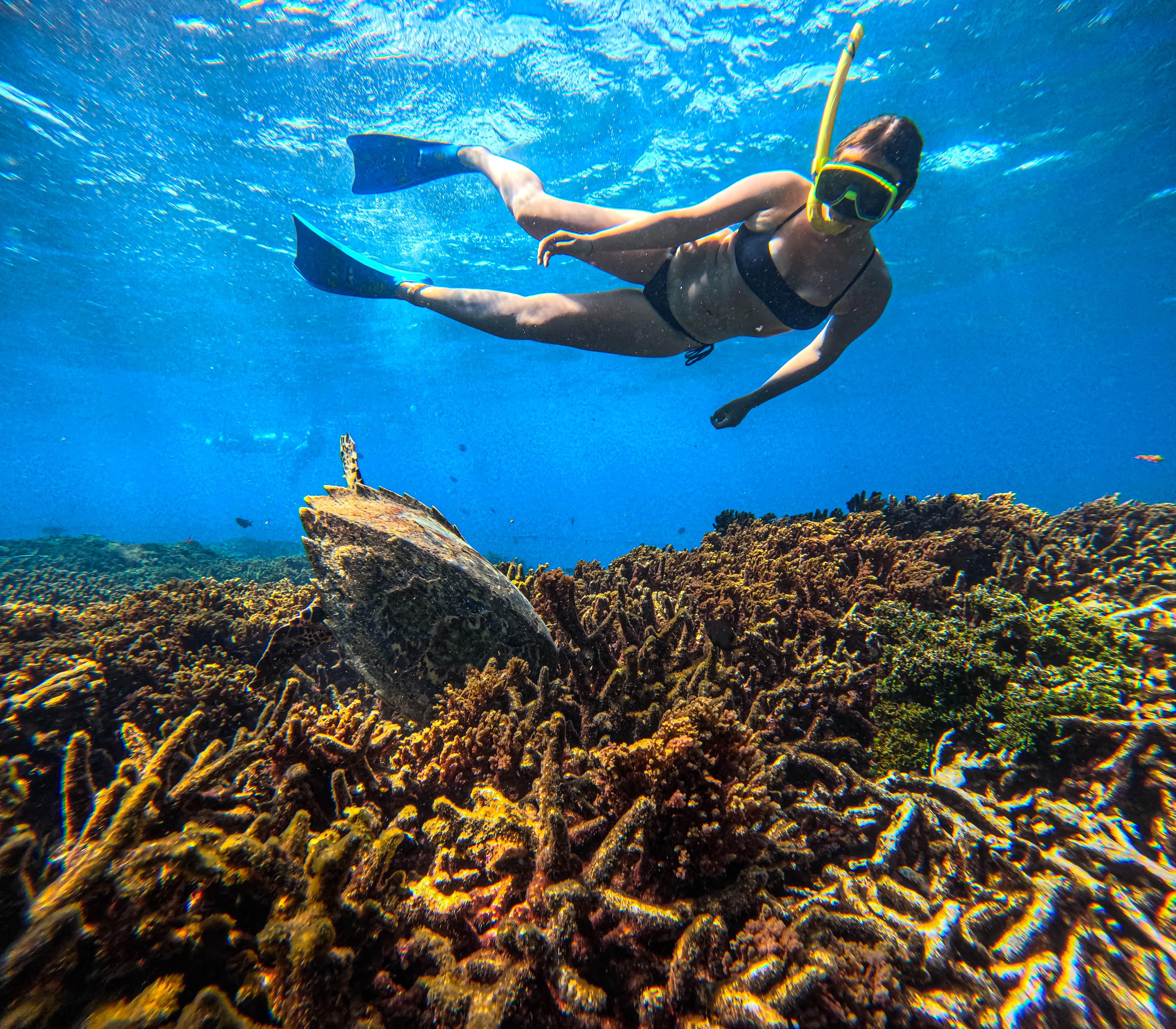
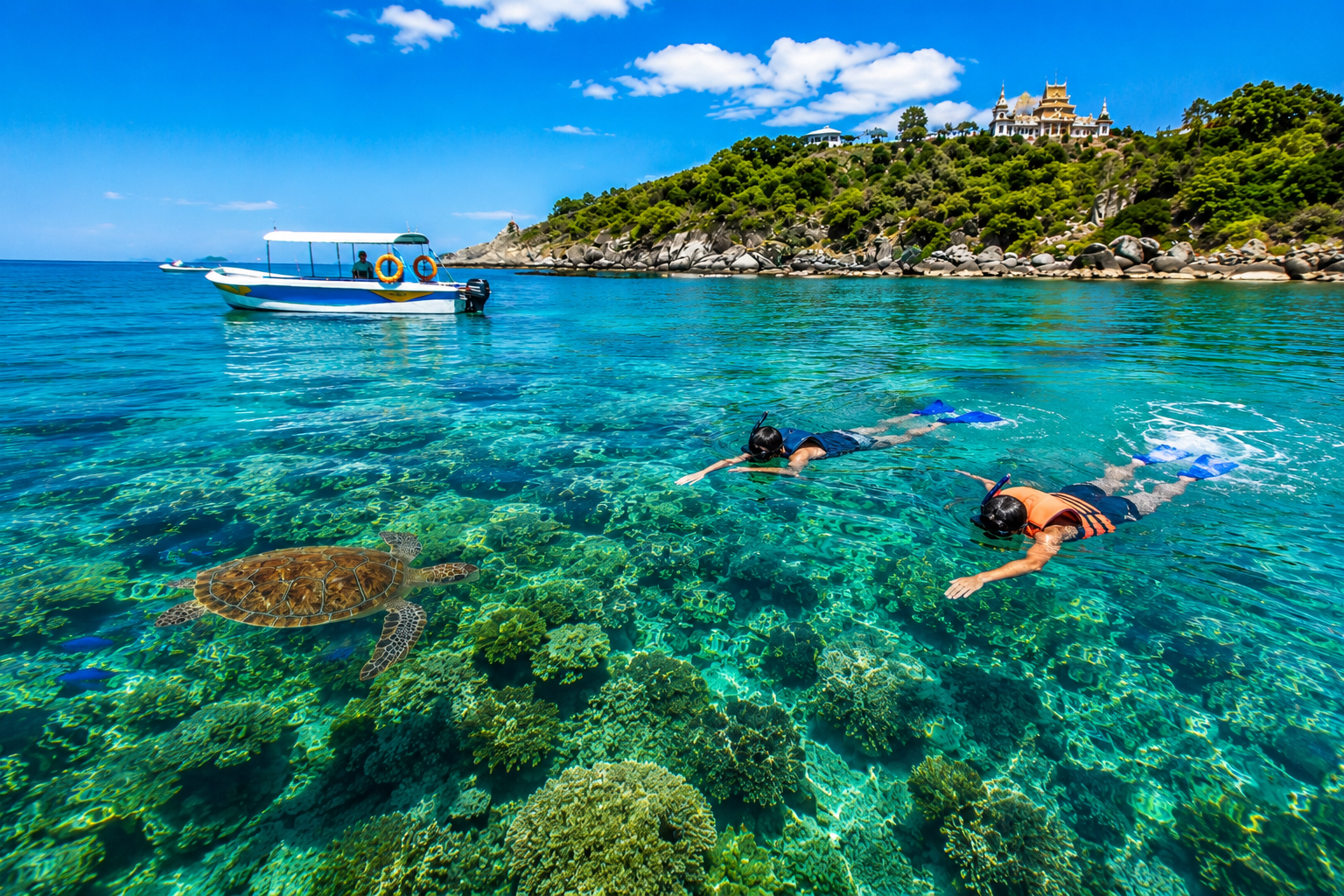
Turtles are frequently found in the shallows. Stay still and observe them from a distance to avoid causing stress.
Non-bookable sights within a short walk — free to visit, easy to pair.
Ancient temple situated on a high cliff with ocean views.
Flexible, no hidden fees.
Full refunds are provided for cancellations made at least 24 hours prior to the scheduled boat departure. The 2,765 LKR conservation fee is typically non-refundable once processed.
Hand-picked options within walking distance — pick a district for vibe, or a specific hotel for convenience.
Prime beachfront property with direct boat access.
Quiet hotel offering easy transit to snorkeling sri lanka trincomalee sites.
Well-known establishment with specialized marine activity desks.
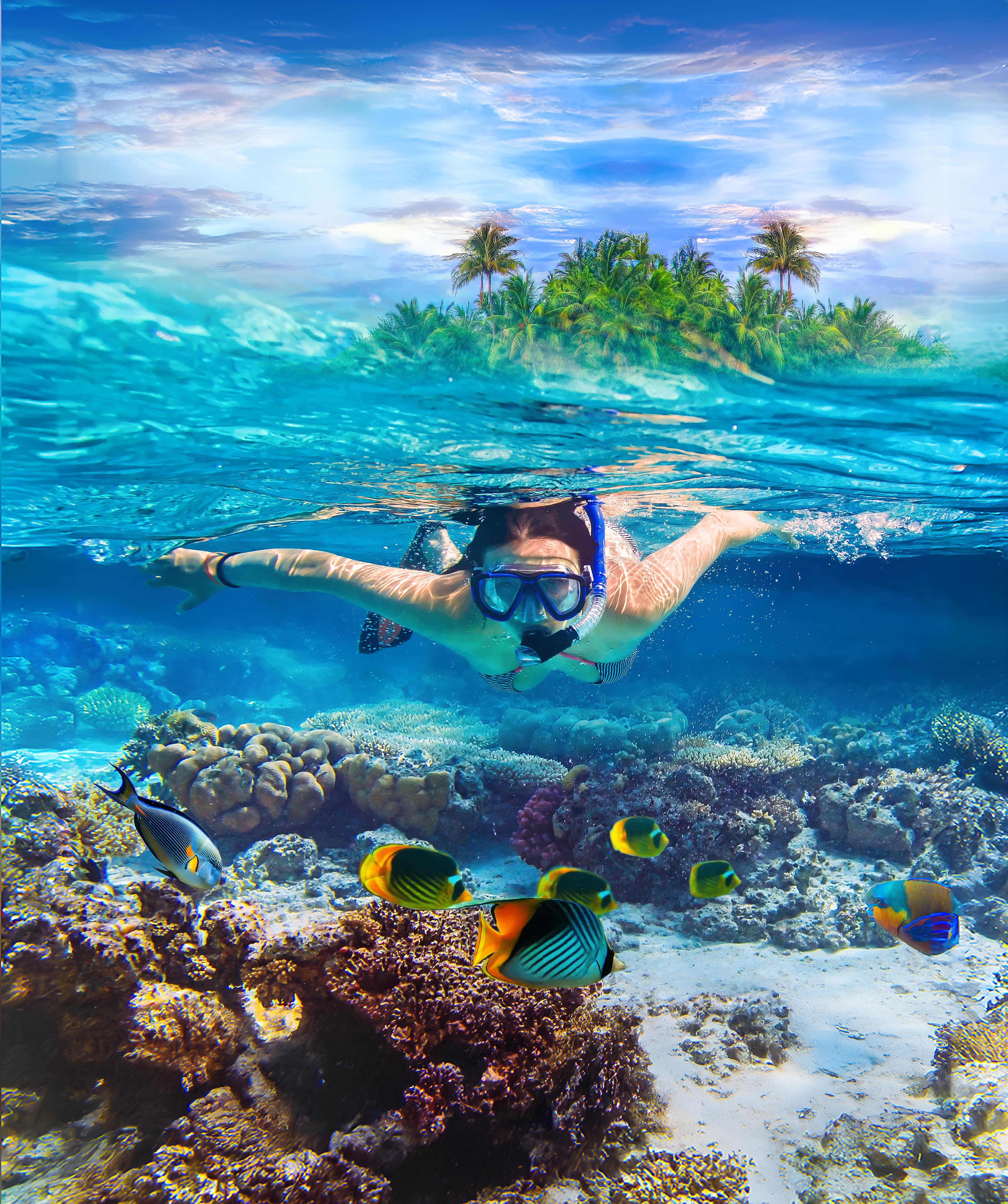
Pigeon Island National Park protects two rocky islets 1.1 kilometres off Nilaveli, shielding 100 hectares of shallow coral reef that survived the 2004 tsunami with minimal damage. The park's designation in 2003 reversed decades of dynamite fishing and anchor dragging, allowing staghorn and brain corals to regenerate and blacktip reef sharks to return. By 2026, the reef supports more than 300 fish species, including parrotfish that graze algae from the coral surface and butterflyfish that probe crevices for invertebrates. Trincomalee's natural deep-water harbour made it a strategic naval base under Portuguese, Dutch, British, and Sri Lankan flags, but the shallow fringing reefs north of the town remained largely ignored until recreational snorkeling gained traction in the 1990s. The east coast's dry season runs May through September, delivering 28-degree water and 15-metre visibility when the southwest monsoon drenches the island's western shore. Snorkeling sri lanka trincomalee options concentrate around Pigeon Island, where the reef drops from ankle-deep shallows to four-metre ledges within 50 metres of the beach. Green and hawksbill turtles forage in the seagrass beds between the two islands, surfacing every 20 minutes to breathe. The park's conservation fee funds ranger patrols that enforce no-touch rules and anchor-free moorings. Reef-safe sunscreen policies took effect in 2023, reducing chemical runoff into the lagoon. Morning light penetrates the water column most effectively before 10:00, illuminating the coral polyps in yellow, blue, and violet. The reef fish follow tidal rhythms: groupers patrol the reef edge at high tide, while wrasses and damselfish retreat to the shallows as the water recedes. Blacktip sharks cruise the deeper channels, rarely exceeding 1.5 metres in length and showing no interest in snorkelers. Pigeon Island's accessibility from Nilaveli beach makes it Trincomalee's most-visited marine site, with daily visitor numbers capped at 300 to prevent reef trampling. The park opened a floating pontoon in 2025 to stage snorkeling entries away from the fragile reef crest. Underwater signage in Sinhala, Tamil, and English marks turtle feeding zones and shark observation points, guiding snorkelers along a recommended circuit that minimizes coral contact.
"The reef supports more than 300 fish species, and blacktip sharks cruise the deeper channels with no interest in snorkelers."
A step-by-step walkthrough of the visit — what you'll see, how long each stage takes, and the details that matter.
You reach Nilaveli beach by 07:30, the sand still cool under bare feet and the water glassy. A painted fibreglass boat idles 20 metres offshore, and you wade through thigh-deep water to climb the ladder. The 15-minute crossing to Pigeon Island cuts through water so clear you track the sandy bottom five metres down. The boat moors at the floating pontoon, and you slip on fins and a mask before stepping off the platform into 28-degree water. You finesse your buoyancy and kick toward the reef crest, where staghorn coral branches rise like antlers. A green turtle surfaces three metres ahead, exhales, and dives back to graze the seagrass. Parrotfish crunch coral with beaked jaws, and butterflyfish dart between crevices. You follow the reef's contour north, the depth dropping to four metres where the coral gives way to rubble and sand. A blacktip reef shark glides past, its dorsal fin cutting the surface before it turns into deeper water. You circle back toward the shallows, passing a hawksbill turtle wedged under a coral ledge. Sunlight refracts through the surface, casting rippling shadows on the sand. At 10:00 the boat horn signals pickup, and you fin back to the pontoon, arms tired and salt crusting on your lips.
Pigeon Island National Park is open daily from 07:00–17:30. Ensure you plan your arrival between 07:00–10:00 for the best visibility.
The entrance fee is 2,765 LKR per foreign adult visitor. This conservation fee is collected at the park entry.
The best arrival window is 07:00–10:00. These hours provide the calmest seas and clearest water for your snorkeling sri lanka trincomalee tour.
There is no specific age limit, but all participants should be confident swimmers. Young children must be supervised by guardians at all times during their snorkeling sri lanka trincomalee visit.
Yes, you can bring personal equipment, though most snorkeling sri lanka trincomalee tours include high-quality mask and snorkel rentals.
No, there are no food facilities inside the park. We recommend bringing your own water and snacks for your snorkeling sri lanka trincomalee trip.
Most visitors travel via boat from Nilaveli Beach. Local taxis and tuk-tuks provide the most convenient transport for those starting a snorkeling sri lanka trincomalee tour.
Check with your specific operator for their cancellation policy. Generally, if the park closes due to weather, your booking for snorkeling sri lanka trincomalee is rescheduled or refunded.
Yes, while enjoying your snorkeling sri lanka trincomalee adventure, you can explore the historic Koneswaram Temple and Fort Frederick nearby.