
1 hr 30 min
Mirissa Turtle Snorkeling Adventure
Swim with wild sea turtles in Mirissa's calm waters on a beginner-friendly, guided snorkeling trip.
Reserve
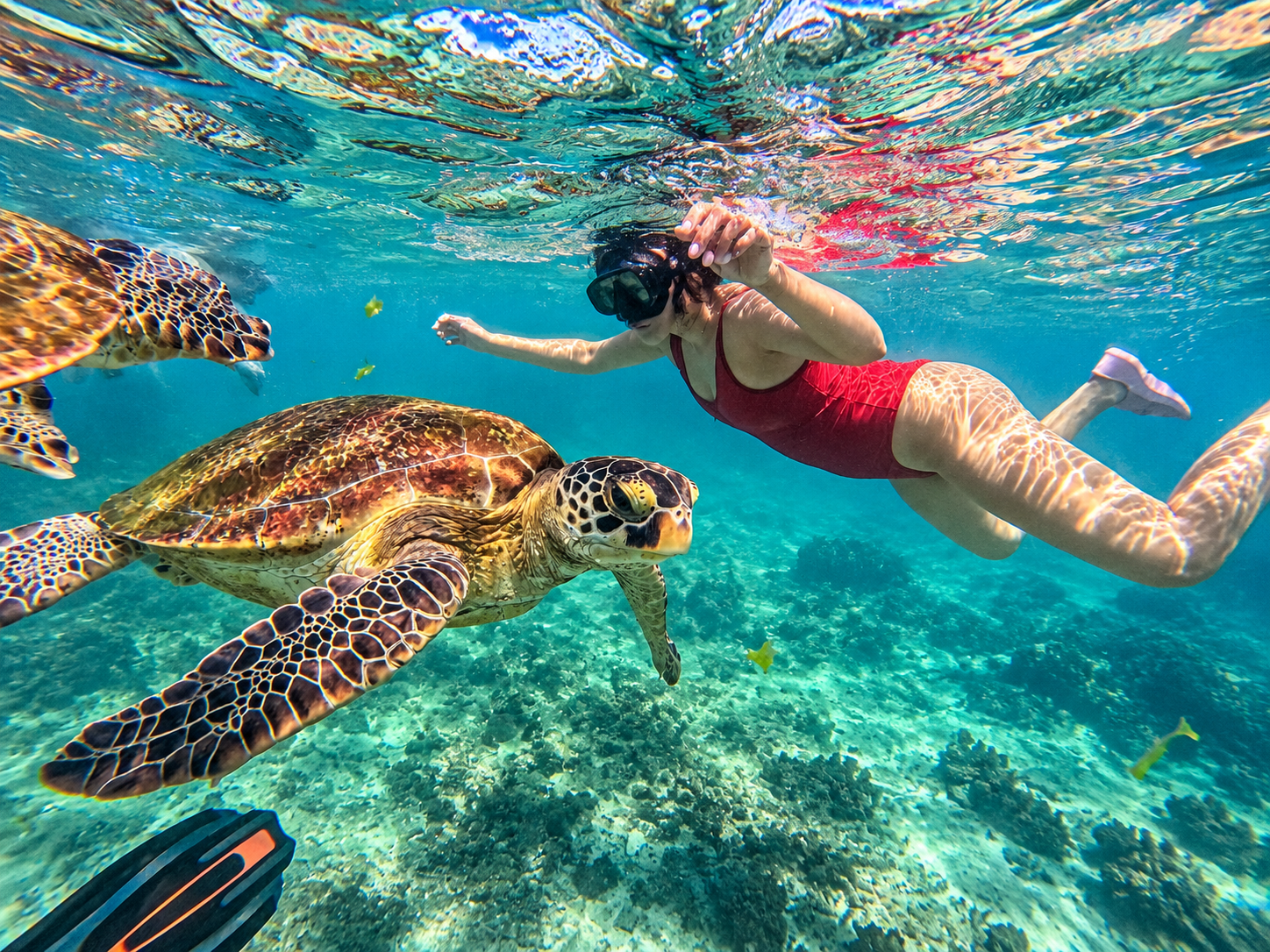
Dawn light on the reef, turtles grazing in six metres of water
Hand-picked by our editors — only the best 5 experiences from 64 reviewed.
Verified partners for every tour, free cancellation where available, and instant confirmation on every booking.
1 hr 30 min
Swim with wild sea turtles in Mirissa's calm waters on a beginner-friendly, guided snorkeling trip.
Reserve
2 hr
Snorkel with wild sea turtles and colorful reef life on Sri Lanka's south coast, guided every step.
Reserve
4 hr
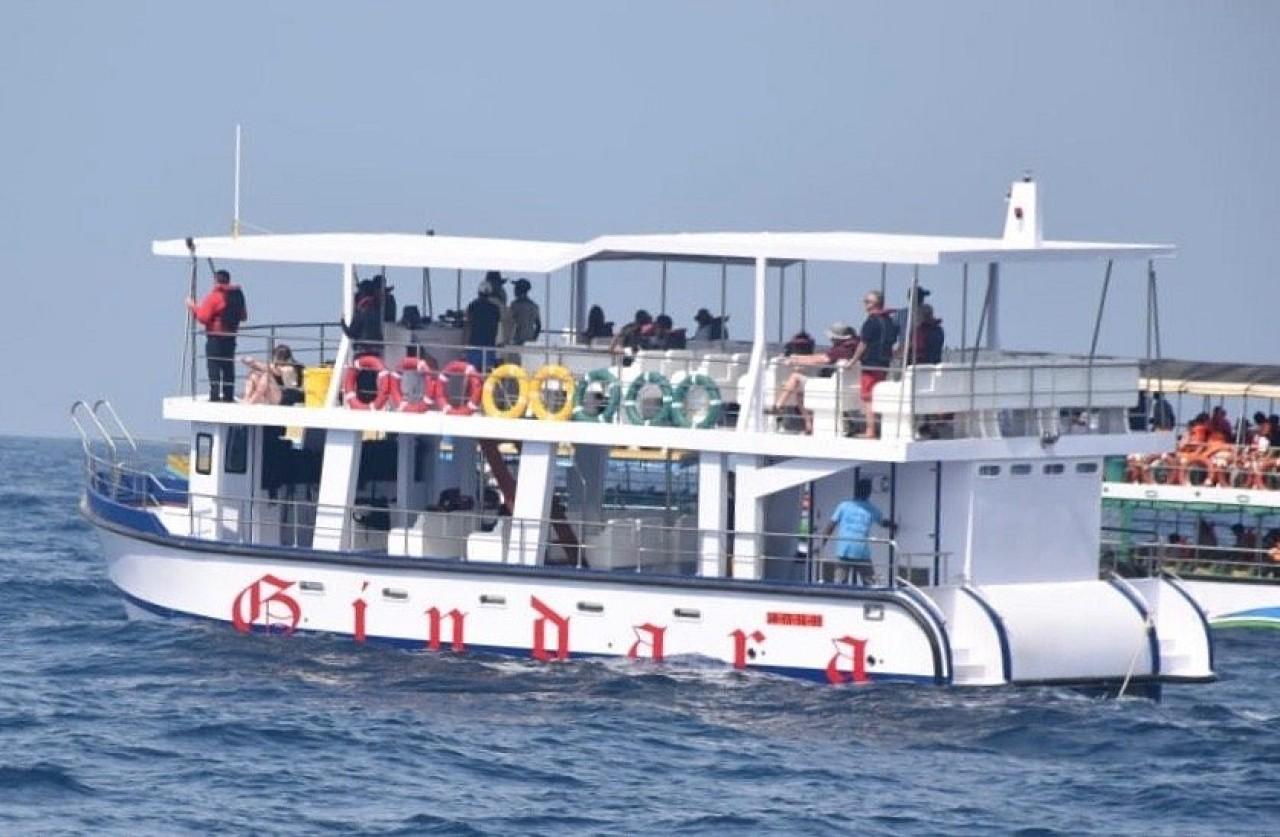
Set sail at dawn to encounter blue whales, dolphins, and sea turtles on a guided ocean cruise with breakfast
ReservePrices from verified partners. Availability updates in real time at checkout. Free cancellation policies apply where shown.
The landmarks, rooms, and views travelers on this tour remember — all visible on a single visit.
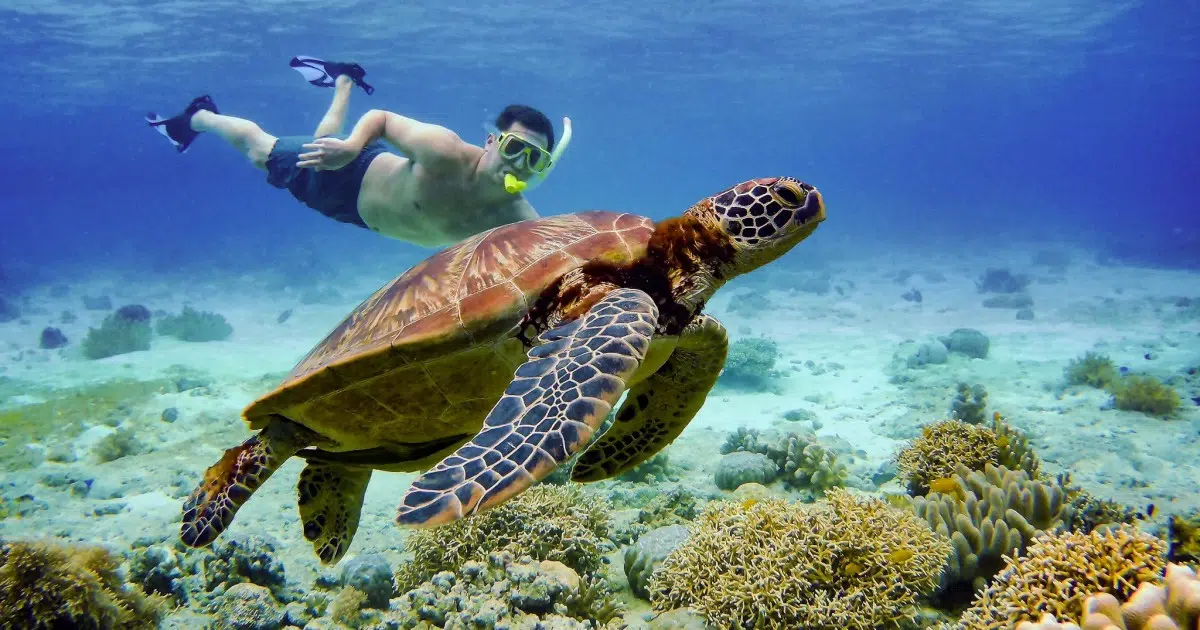
This shallow reef is home to resident sea turtles that feed on seagrass throughout the morning hours. Keep a respectful distance to observe them in their natural habitat
Main Bay Shallow
The Western Ridge
Mirissa offers accessible shore entry perfect for casual swimming, while Hikkaduwa provides a deeper, more diverse encounter with marine ecosystems; most visitors who engage in snorkeling sri lanka south tours find the two locations balance each other perfectly.
| Feature | Top pick Mirissa Beach | Hikkaduwa Marine Park |
|---|---|---|
Access Method |
Shore entry | Boat or shore |
Coral Diversity |
Moderate seagrass and patches | High density reef structures |
Marine Life Variety |
Sea turtles and reef fish | Diverse tropical fish and coral |
Crowd Levels |
Moderate to high | High during peak hours |
Boat Requirement |
None required | Often necessary for best spots |
Primary Advantage |
Free access and flexibility | Superior underwater biodiversity |
| See tickets → |
Verdict: Choose Mirissa for a casual, free-access outing, or opt for a snorkeling sri lanka south tour in Hikkaduwa if you prioritize expansive coral health and variety.
Choose your ticket, select your date, and reserve in under two minutes. Secure checkout handled by our verified partner.
Instant confirmation by email, with a mobile voucher you can save offline. No printing, no queuing at a collection desk.
Arrive at the entrance, show your voucher on your phone, and walk in. Most tickets include priority or skip-the-line access.
Best time to go, insider tips, nearby landmarks, and the cancellation fine print — flip through to skim what matters to you.
How crowds, weather, and events shift across the year.
March and April offer the clearest water and peak visibility for aquatic activities. These months fall within the transition before the monsoon shifts.
Small details that turn a good visit into a great one.
Visit between 06:00 and 11:00 to avoid the midday heat and larger tour groups. Calm waters during these hours provide the best conditions for underwater exploration. Respect the reef
Non-bookable sights within a short walk — free to visit, easy to pair.
Offers panoramic views of the ocean and coastal palm trees. It is a popular spot for sunset photography.
Flexible, no hidden fees.
Since snorkeling sri lanka south activities are generally hosted on public beaches with 0 LKR entrance fees, individual vendor cancellation policies apply to equipment rentals or guided services. Please verify specific terms with your chosen operator at the time of booking.
Hand-picked options within walking distance — pick a district for vibe, or a specific hotel for convenience.
Coastal chic decor with direct beach path access
Six kilometres off Mirissa Beach the continental shelf collapses, falling from bright sand to water more than a thousand metres deep. That single piece of geography explains the south coast's double reputation. Blue whales and spinner dolphins pass within sight of the headland. Closer in, the shallows hold seagrass meadows, fringing coral and a steady traffic of reef fish. Snorkeling Sri Lanka South happens almost entirely in that narrow band between the beach and the drop-off, rarely deeper than six metres. The reefs were shaped by catastrophe as much as by time. The 1998 El Niño bleaching event killed broad stands of branching Acropora across the island's southern and western shelf. The December 2004 tsunami, which struck this coastline with particular force, then scoured sand over much of what survived. Recovery has been uneven. Hardy Porites heads and encrusting colonies came back first. Coral rubble still marks the inner reef flats. The staghorn and table gardens that older fishermen describe remain patchy. Sri Lankan waters are credited with roughly 180 species of hard coral and close to a thousand species of reef fish; the southern shelf carries a respectable share of both. Mirissa has not stopped being a working fishing village. Outrigger canoes and day boats leave the harbour in the dark, and several of the crews that once chased yellowfin now guide Mirissa snorkeling trips out to the turtle grounds. Green and hawksbill turtles graze seagrass within swimming distance of the sand at a handful of points along this coast. That proximity is why Snorkeling Sri Lanka South tours stay short and boat-assisted rather than expeditionary. Parrot Rock, the granite outcrop at the eastern end of the bay, marks the usual edge of the shallow circuit. Formal protection arrived late and in fragments. Hikkaduwa, west along the same shoreline, was declared a sanctuary in 1979 and raised to marine national park status in 2002, the first of its kind in the country. Pigeon Island, on the opposite coast near Trincomalee, followed in 2003; its two islets still shelter the most intact Acropora reef in Sri Lanka, patrolled by resident blacktip reef sharks. Between them they set the terms for reef access nationally, and travellers holding Snorkeling Sri Lanka South tickets often pair the southern bays with a northeastern leg. Mirissa Beach itself has never been fenced or gated. Entry costs 0 LKR, the sand is public, and the only real gatekeeper is the sea. Visibility is a matter of hours, not permits.
"Everything happens in that narrow band between the beach and the drop-off, rarely deeper than six metres."
Please wear swimwear at the beach and cover up when entering local cafes or village streets. Modesty is appreciated in Sri Lanka.
Yes, you are welcome to bring your own mask and snorkel. Many visitors find that bringing their own gear ensures a better fit and experience.
The shallow areas near the reef are great for children, provided they are supervised at all times. Always check current sea conditions for safety.
If you booked a private snorkeling sri lanka south tour, contact your operator directly for their specific refund or rescheduling terms. Public access is always available.
Yes, you can easily walk to Coconut Tree Hill, which is a short 10-minute stroll from the main swimming area.